A Strategic Source of "Foods First" Calcium
Oh, the calcium quandary
For many of you, including myself, the journey to wellness has included a short-term or long-term separation from dairy. I have been unable to consume dairy for most of my life, and for years, I was unaware of the quiet "calcium gap" this created. It is a challenge shared by many; in fact, research shows that nearly 70% of the global population lacks the lactase enzyme necessary to properly digest dairy after infancy. Beyond simple digestion, many individuals face deeper systemic challenges, where the proteins in milk—specifically casein—can trigger immune sensitivities or fuel chronic inflammation. In some cases, "molecular mimicry" can even lead the body to confuse these proteins with its own tissues, creating significant hurdles for those managing autoimmunity.
Like many of my clients at reGenesis Health and Recreating True Health, I eventually realized that my bone health—dependent on the delicate dance of Calcium, Vitamin D3, and K2—needed more intentionality. One challenge can be that many of us aren't best supported by calcium supplementation specifically, and some may experience what feels more like larger doses of directly calcium supplements are "rocks" in our system than life in our cells.
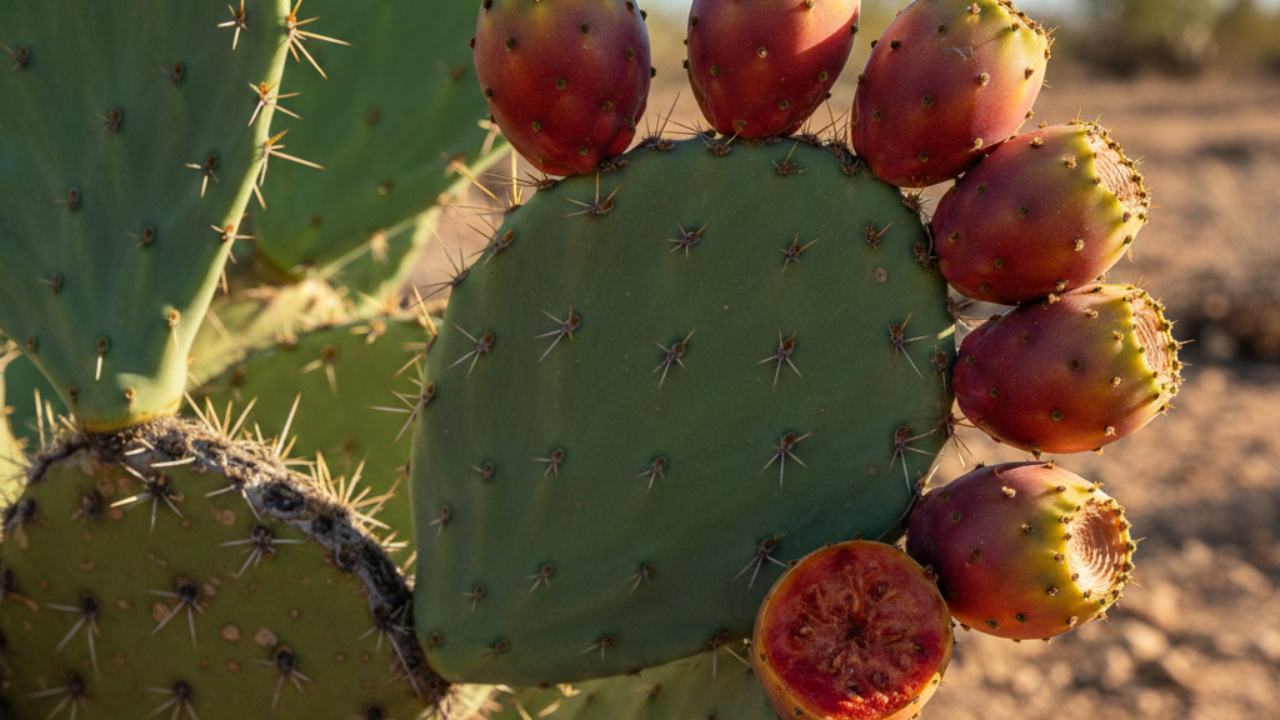
Since I am constantly keeping an eye out for dietary alternatives and options across the board, I am deeply interested in a food-based option for calcium that bridges the gap between clinical necessity and whole-food synergy: Nopal Cactus (Prickly Pear) Powder.
The Science of the "Desert Healer"
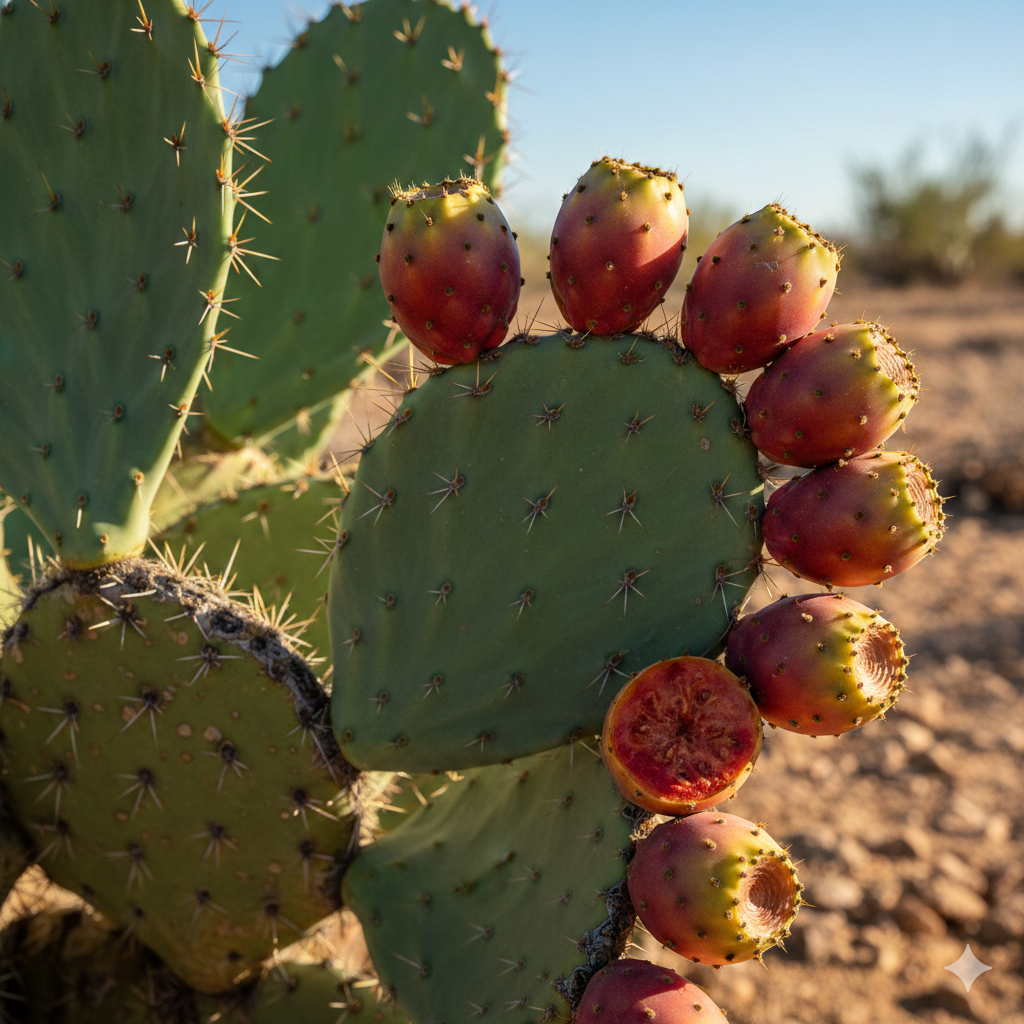
Nopal (from the Opuntia ficus-indica plant) is not just a hardy survivor; it is a nutritional powerhouse. In functional medicine, we look for "multitaskers"—foods that solve more than one problem at once. Nopal fits this perfectly.
A Symphony of Minerals and Fiber
While we are focusing on calcium, Nopal offers a broad spectrum of minerals that act as co-factors for metabolic health.
The fiber profile of Nopal is equally impressive, containing a unique blend of:
-
Insoluble Fiber: Supporting regular bowel movements and "sweeping" the digestive tract.
-
Soluble Fiber (Pectin): A prebiotic power-source that feeds the beneficial bacteria in your microbiome.
- L-Glutamine: Nopal naturally contains approximately 30-36% of this amino acid, which is the primary "fuel" for the cells lining your gut, aiding in the repair of intestinal permeability (leaky gut).
Strategic Bioavailability
- Bioavailable Calcium: Nopal is naturally high in calcium (providing roughly 164mg per 100g in its fresh form). For those who avoid dairy or must limit goitrogenic foods like broccoli, Nopal serves as a strategic, non-interfering source.
- The "Soothing Bandage" (Mucilage): The gel-like mucilage in Nopal acts as a natural lubricant for the digestive tract, soothing the gastric mucosa and providing a protective barrier.
\ - Neuroprotection: It is rich in betalains and flavonoids (like quercetin).
Wisdom in the Warnings: Personalizing Your Protocol
While I offer this information with hope, I also offer it with the "hard facts" of clinical caution. More is not always better; right is better. To implement this strategically, you must consider your unique biology:
1. The 4-Hour Rule (Medication Timing)
Because Nopal is so rich in soluble fiber and minerals, it is highly efficient at "binding." While this is great for toxins, it can inadvertently "trap" certain medications in the gut, preventing them from being absorbed into your bloodstream. This is a critical consideration for those on thyroid medications (such as Levothyroxine), but it also applies to various antibiotics, osteoporosis medications, and certain heart medicines.
The Strategy: As a general rule of thumb for clinical safety, always space Nopal at least 4 hours away from your medication doses to ensure you are getting the full benefit of your prescriptions.
2. The Oxalate Equation
Cacti are naturally high in oxalates.
How to Use It
The beauty of Nopal powder is its versatility. It has a mild, slightly tart flavor that blends beautifully into:
-
Nutritional Smoothies: Adds a creamy texture due to the mucilage.
-
Soups and Stews: Acts as a natural, mineral-rich thickener.
-
Morning Nutrition Drinks: A perfect dairy-free calcium boost to combine with your other nutritional powders and foods (keeping the 4-hour rule in mind).
This is the powder I've been trying (clicks to Amazon).
Steward-ing Through Personalization
As you explore these "foods first" options, I encourage you to stay the course on your unique path toward personalization. True health isn't found in a "one-size-fits-all" remedy, but in the careful consideration of your overall nutrient amounts, sources, and the synergies of how they combine within your body. I invite you to make full use of our specialized functional labs and bone density scans; these tools are designed to inform your investigation and remove the guesswork. By pairing these objective insights with supportive nutritional choices, we can measure your progress and ensure you are moving forward with confidence and grace.
Scienc-ing References
-
Hernández-Urbiola, M. I., et al. (2010). Study of Nutritional Composition of Nopal (Opuntia ficus indica) at Different Maturity Stages. The Open Nutrition Journal.
-
Sánchez-Tapia, M., et al. (2017). Nopal (Opuntia ficus indica) protects from metabolic endotoxemia by modifying gut microbiota.
-
Feugang, J. M., et al. (2006). Nutritive and therapeutic potential of Cactus Pear (Opuntia spp.) fruits. Frontiers in Bioscience.
-
Aguilar-López, M., et al. (2007). Calcium Bioavailability and Bone Health in Rats Fed with Nopal. Journal of Food Science.